
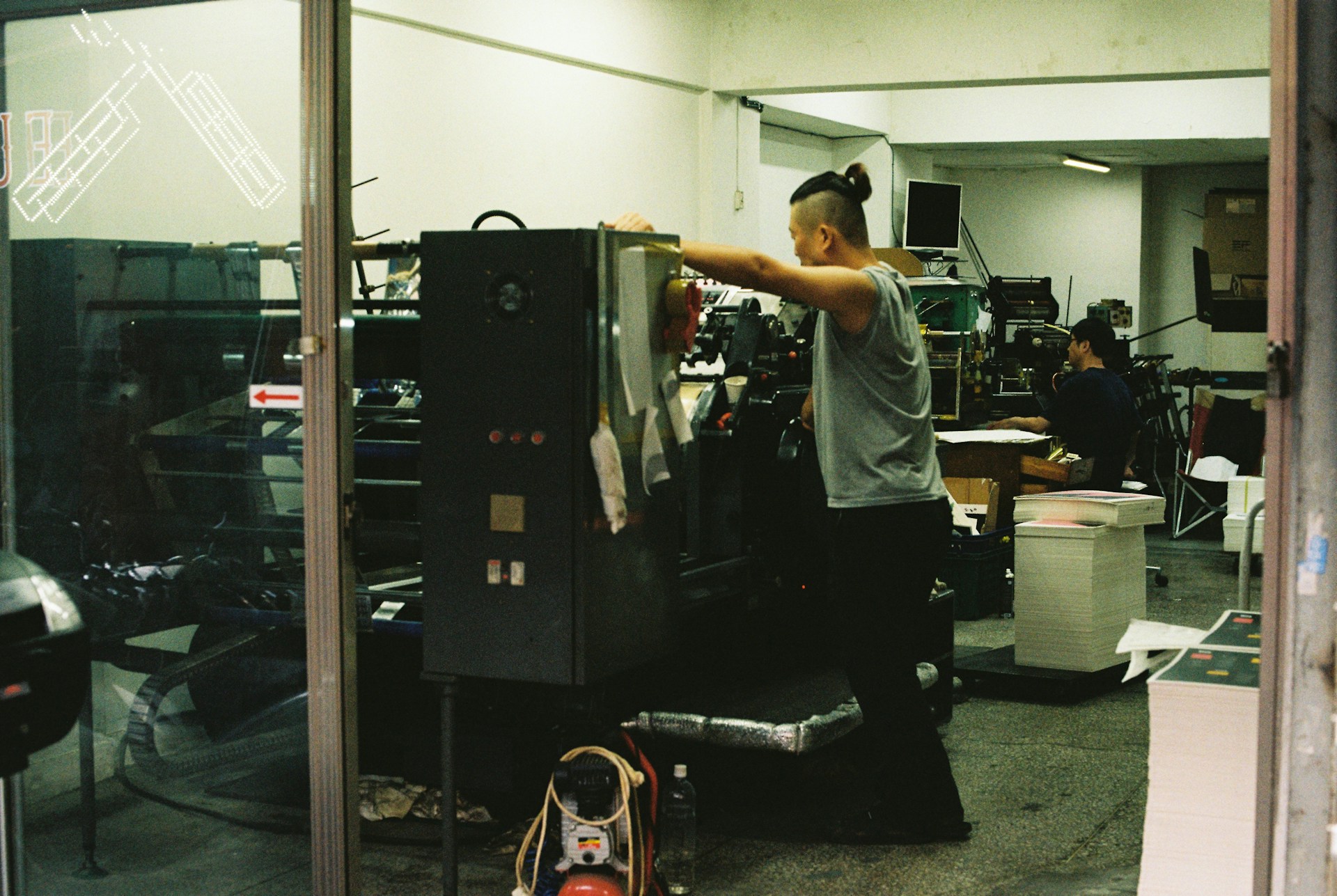
Moving industrial equipment isn’t the same as packing up a few desks and rolling chairs. Between the heavy lifting, sensitive components, and expensive machinery, there’s a lot that can go wrong if it’s not handled right. Whether you’re relocating a single piece of equipment or a full production line, the stakes are higher and small mistakes can turn into big problems. In Orlando, where industrial growth continues to expand into new warehouse and commercial spaces, careful planning makes the difference between a smooth move and one full of delays.
Every step of moving industrial items needs special attention, from knowing the layout of your current and future location to figuring out how to protect machines during transport. That’s where professional equipment moving services come into play. These services focus on making sure everything stays secure, workers remain safe, and downtime is kept to a minimum. If you’re managing the move for a manufacturing plant, tech facility, warehouse operation, or even a specialty lab, proper planning and execution go a long way.
Challenges Of Moving Industrial Items
Relocating industrial equipment isn’t just hard work. It’s risky if it’s done without a plan. These pieces of equipment are large, complicated, and expensive. Some are sensitive to vibrations or temperature changes. Others have attachments that need to be taken off and packed separately. Each item needs its own handling method, and moving the wrong way can damage the equipment or harm someone during transport.
Here are a few common challenges:
– Weight and Size: Many industrial machines are too big to be moved with regular equipment. You may need cranes, forklifts, or custom dollies to get them on and off trucks safely.
– Delicate Components: Some items include parts like sensors, wiring, or computer boards that can’t take a lot of jostling. These might need extra padding or be removed and packed by hand.
– Worker Safety: Careless handling or poor setup can lead to injuries. You need trained teams who understand how to move each type of machinery correctly.
– Limited Access Routes: Some buildings don’t have wide enough doors, freight elevators, or loading docks to make the move easy.
– Downtime and Interruption: Every hour your machines aren’t set up and running could mean lost production. Fast and efficient relocation helps keep operations on schedule.
One Orlando facility recently had to move several CNC machines across the city due to an expansion. The entrance of their new building didn’t allow for direct access to the setup area, which meant temporary walls had to be removed and reinstalled once the machines were inside. That kind of planning makes a big difference and can’t be figured out last minute.
Planning Your Industrial Move
Before you start packing up or renting any equipment, the better move is to create a solid plan from the ground up. This makes a difference in both time and cost, and it helps avoid mistakes that cause delays.
Start with these steps:
1. Site Evaluation: Walk through your current and future location. Look at door sizes, hallway space, floor capacity, elevators, and loading areas. Make sure there’s a clear path for removal and delivery.
2. Create a Move Calendar: Break the process into smaller steps. Set goals for when equipment should be inspected, disconnected, packed, and transported. Build in extra time for unexpected issues.
3. Make an Inventory Sheet: List everything you’re moving, including the dimensions, weight, and any special setup needs. Note any machine that has to be handled a specific way or reassembled later.
4. Coordinate With Equipment Moving Services: Bring in professionals to review your plan. They can point out logistics you might miss and help time everything more efficiently.
If you’re working around other tenants or tight schedules in places like industrial parks or shared spaces in Orlando, get permissions and set move dates early. No one wants a delay because the loading dock is booked or the elevator access was overlooked.
Best Practices For Packing And Transporting Industrial Equipment
Packing and transporting heavy equipment needs more than just strong boxes and tape. Simple mistakes during these stages can lead to expensive damage or downtime, so it’s a good idea to follow a few reliable steps.
– Secure Packing: Use the right packing materials for each type of equipment. Heavy-duty padding, bubble wrap, and shrink wrap are common options. Parts that may shift during transport should be locked down. If something is fragile or extra valuable, custom crates can add an extra layer of security.
– Labeling and Organization: Each item should be clearly labeled. This helps speed up coordination and setup at the new place. Mark boxes and crates with what’s inside and where it should go. Keep similar or connected items together, and use your inventory list to keep things organized.
– Specialized Transport Methods: Not all trucks are suited for this kind of job. Some equipment may require trucks with air ride suspension or climate controls to prevent overheating or shaking during the ride.
There was a local tech company in Orlando that moved its rack servers using climate-controlled trucks to avoid heat damage. That small decision helped their systems stay protected and ready to use right away after the move.
Choosing The Right Equipment Moving Services
You need more than just strength when it comes to choosing a mover for large equipment. You want people who understand what they’re doing. Here’s what to look for:
– Experience and Knowledge: Choose companies that have a background in moving industrial items. They should have direct experience and enough knowledge to meet your specific needs. Ask if they’ve handled jobs similar to yours.
– Ask Good Questions: Find out how they train their staff. Ask about the kind of insurance they carry, how they store equipment, and how they approach your type of machinery. Their answers will give you an idea of how ready they are for the challenge.
– Why Expertise Matters: Skilled movers don’t just move stuff from point A to point B. They bring tools, strategies, and techniques that help limit damage and downtime. They work with you on scheduling, safety, and logistics.
Making Your Industrial Move Stress-Free
You don’t have to dread moving day if you’re set up right. Keep communication open with your team so that everyone understands the schedule and their role. It helps to go over the entire plan together before moving day.
Plan ahead so you’re not cramming tasks into the final hours. Set honest timelines and expect a few setbacks—that way, small delays won’t throw the whole schedule off. Giving yourself breathing room lets you handle last‑minute changes without extra stress.
A Confident Move Today Builds A Smoother Tomorrow
Orlando is growing quickly across industrial and commercial sectors, so it’s no surprise more businesses are on the move. If you’re one of them, look at it as a fresh start—an opportunity to upgrade your space, streamline production, or use new technology to your advantage.
Whether you’re relocating a single machine or a full facility, having a good plan backed by the right equipment moving services will make a big difference. With care and attention, you’re not just protecting assets, you’re setting up your operation for long-term success.
Confidently tackle your next big move in Orlando with the expertise you deserve. Discover how Jochas Moving and Delivery can keep your relocation on track with reliable equipment moving services that protect your investment and minimize downtime.